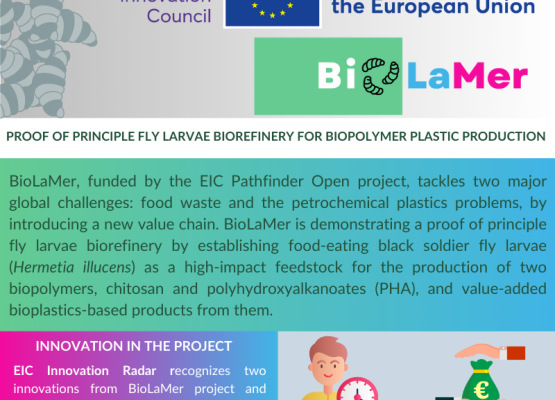
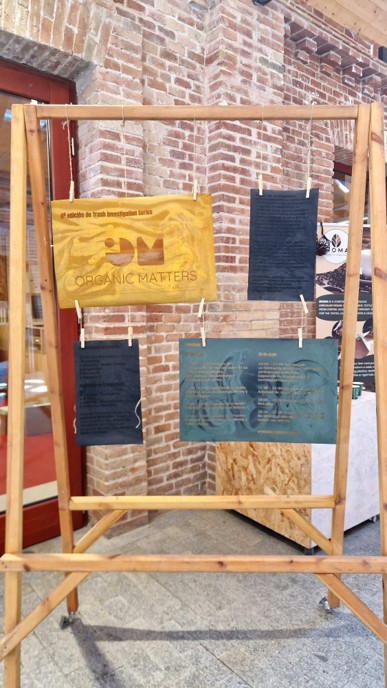
BioLaMer project partners from TransfoLab BCN organized the 6th Edition of the Trash Investigation Series: Organic Matters, a two-day dissemination and co-creation event dedicated to exploring the transformative potential of organic waste, which was held from May 27–28, 2025. The event was hosted at Ca L’Alier, a former industrial factory in Barcelona now reimagined as a leading innovation hub, and this gathering brought together creatives, researchers, and innovators committed to circular and sustainable design.
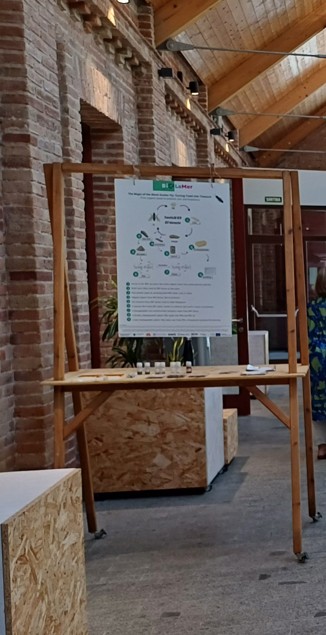
A Collaborative Platform for Sustainable Innovation
The event brought together five multidisciplinary teams, each bringing unique perspectives and expertise in material experimentation and sustainable fabrication. Participating groups included SlowLAB, Bagaceira, and Materia C, alongside two collaborative teams: one formed by Maker Change and Woody, and another by Fab Lab Barcelona, Bioma, and the Ensemble network.
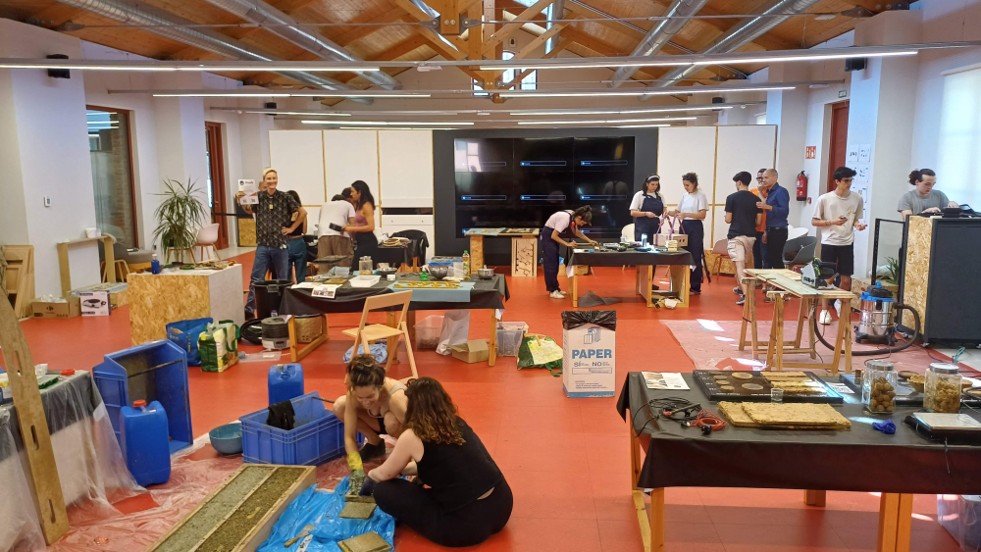
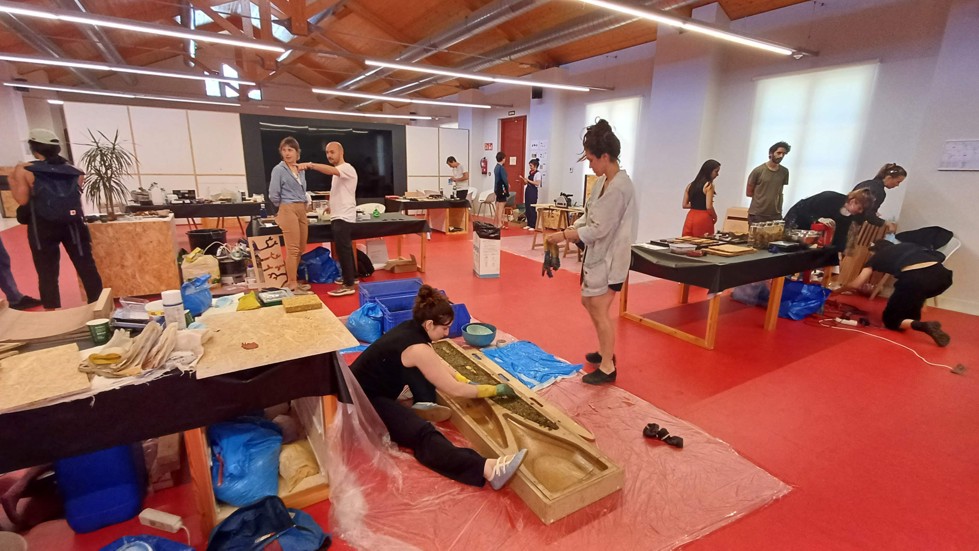
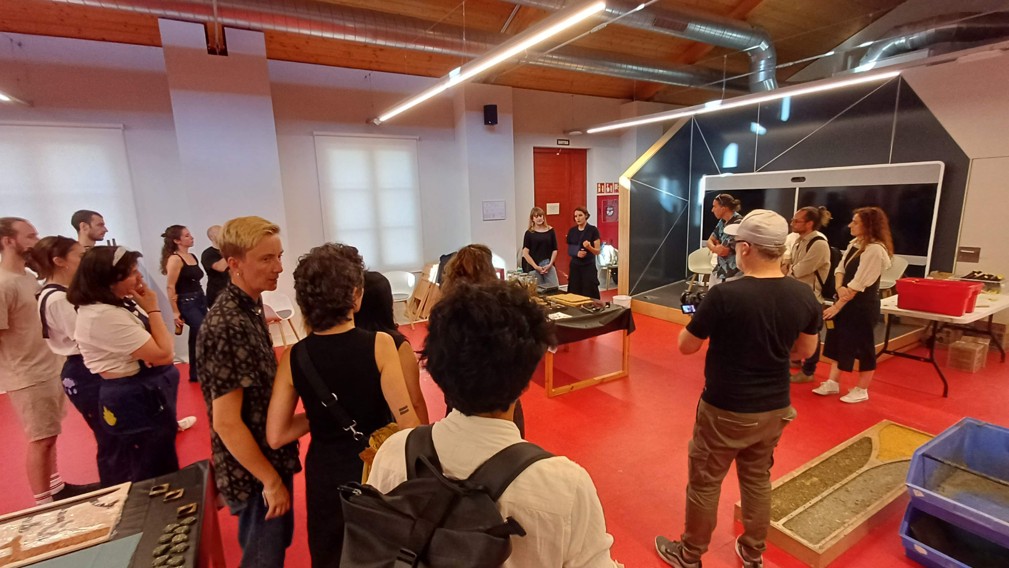
Over the course of two days, the teams engaged in hands-on experimentation, transforming organic waste into both functional and artistic prototypes. The initiative emphasized not only innovation in materials but also the importance of collaboration across disciplines to address environmental challenges.
Showcasing BioLaMer: Advancing Sustainable Larvae Cultivation System
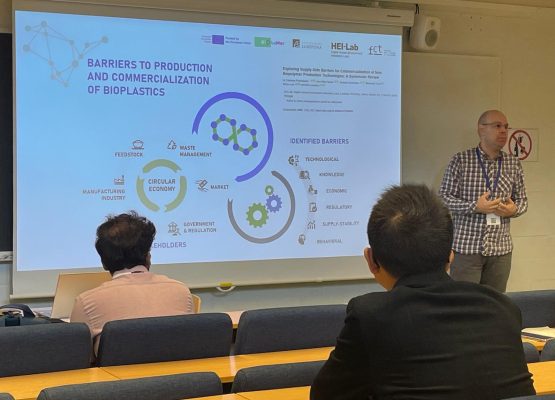
As part of its dissemination activities, the BioLaMer project partners Ms Neda Tozija and Ms Nada Tozija presented the recent results and ongoing research. Their participation provided an opportunity to share knowledge, engage with stakeholders, and demonstrate the project’s commitment to advancing sustainable material innovation.
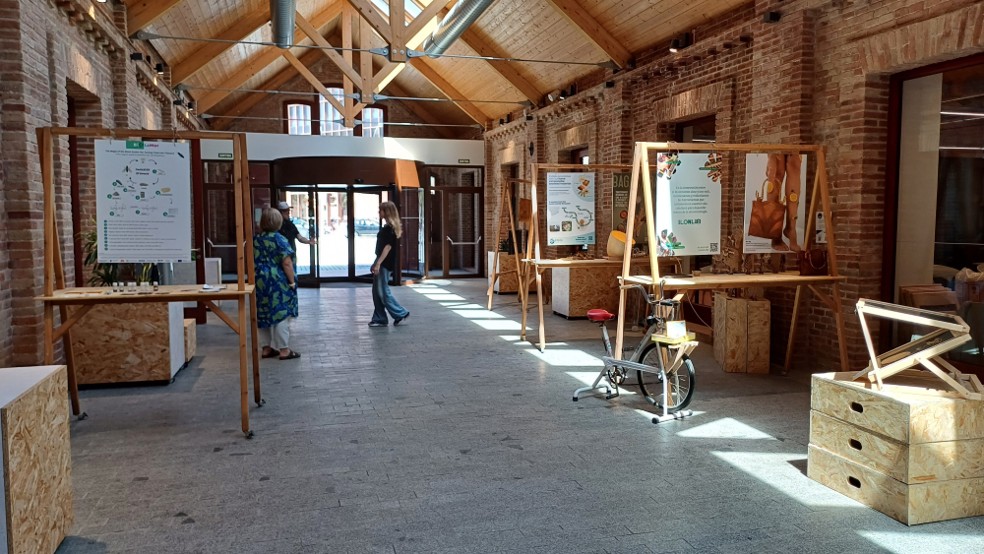
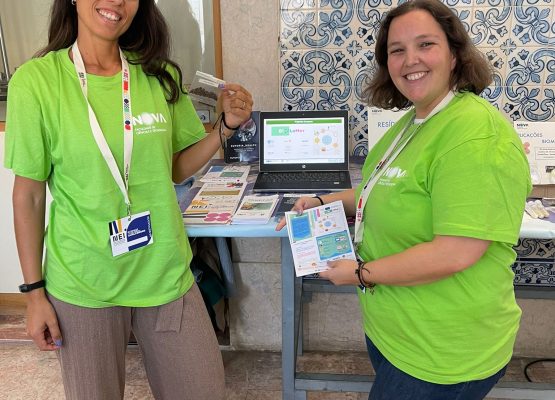
A key highlight of the event was the final public demonstration, which attracted over 200 visitors. During this session, BioLaMer’s innovative materials were prominently featured, allowing participants to directly interact with the samples—touching, examining, and experiencing their properties. This active engagement helped illustrate the real-world potential of BioLaMer materials, showcasing how organic/food waste can be transformed into valuable, sustainable resources.
Funding Acknowledgment
This project is funded by European Innovation Council under Grant Agreement no. 101099487. Views and opinions expressed are however those of the author(s) only and do not necessarily reflect those of the European Union. Neither the European Union nor the granting authority can be held responsible for them.