BioLaMer project partners from UNIBO participated in the XIX Italian Network Association LCA Conference, held from 19th – 21th March 2025 at Cortina, Italy. The event brought together researchers, practitioners, and policy experts to discuss the evolving role of Life Cycle Assessment in supporting sustainable development and innovation.
BioLaMer Contribution at the conference
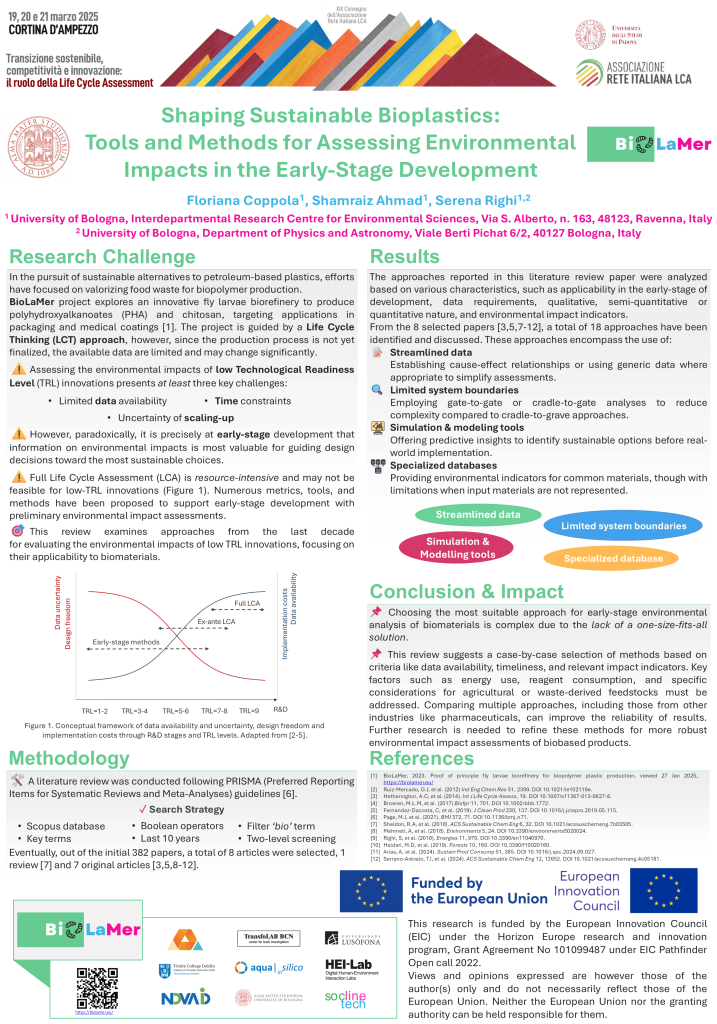
At the conference, our partners Prof Serena Righi and Dr Floriana Coppola presented a poster and submitted a scientific paper, which will be published in the conference proceedings soon. Our contribution focused on the role of sustainability assessment methods as essential tools for evaluating the environmental impacts of emerging bioproduct technologies, particularly during their early stages of development where data and time are limited.
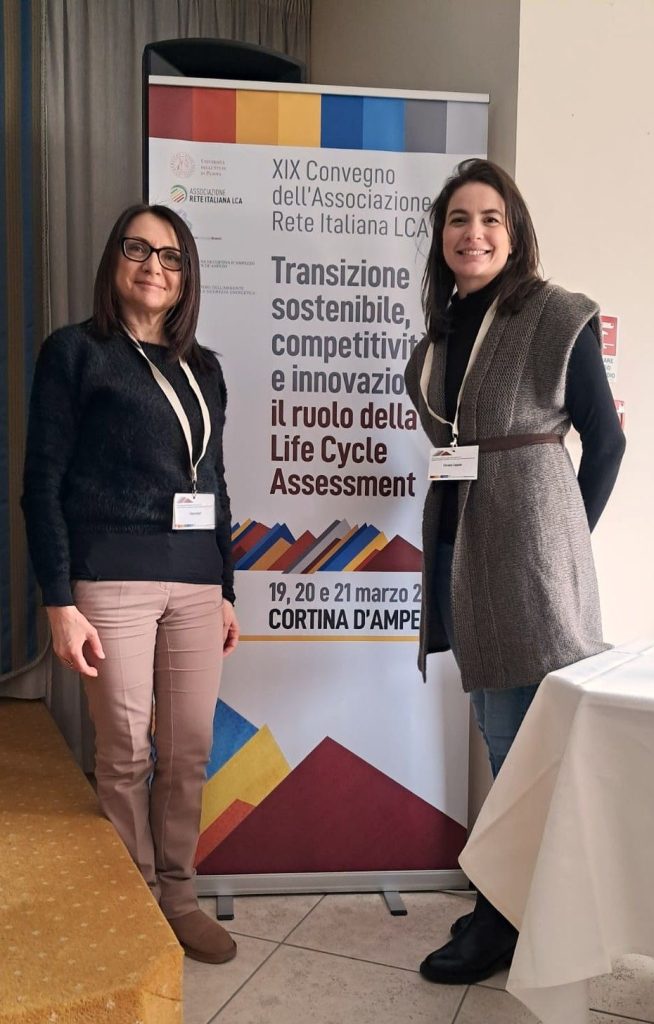
The work compares different approaches across technology readiness levels, underlining the need for appropriate tools to support early decision-making, and concludes that a case-by-case strategy—integrating complementary methods and relevant impact categories—is the most effective way to address these challenges.
Conference Background
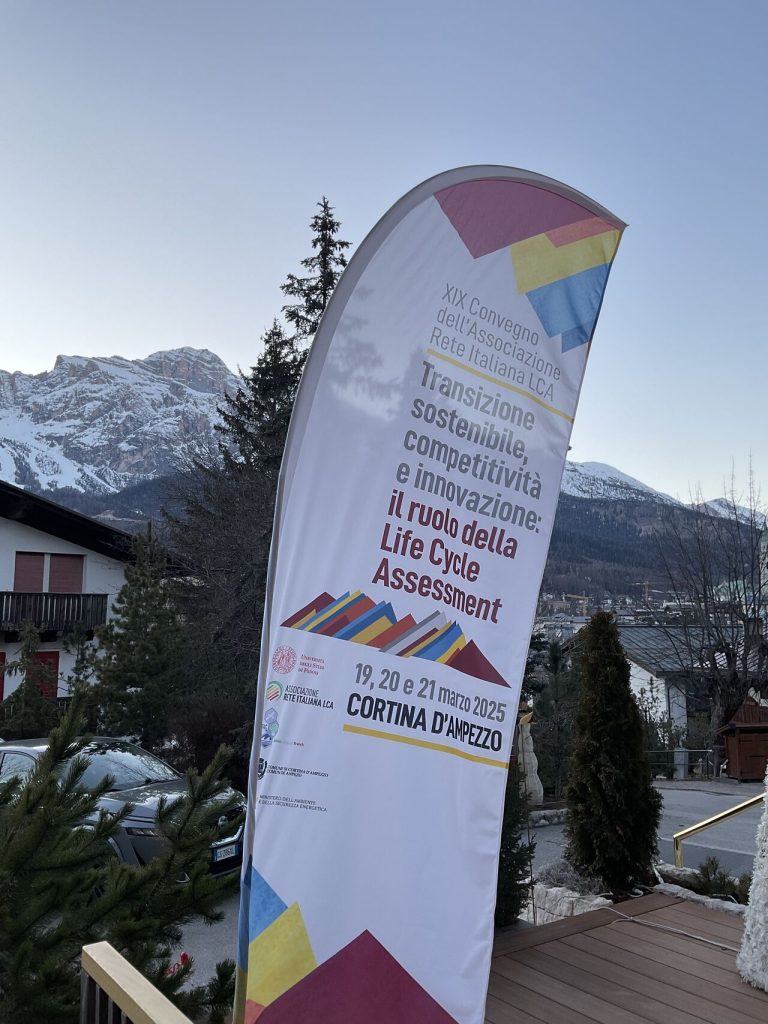
The conference, titled “Sustainable transition, competitiveness and innovation: the role of Life Cycle Assessment”, highlighted the increasing relevance of LCA within European policies, particularly in the context of the EU Green Deal. As sustainability requirements become more embedded in regulatory frameworks and strategic decision-making, LCA is recognized as a key tool for evaluating environmental impacts and guiding organizations toward more sustainable and competitive solutions.
Through a rich program of presentations, case studies, and methodological discussions, the conference emphasized the need to:
- Simplify the adoption of LCA across sectors,
- Improve the accuracy and robustness of assessments,
- Enhance the effectiveness of LCA-based decision-making,
- Support innovation pathways aligned with the sustainable transition.
Funding Acknowledgment
This project is funded by European Innovation Council under Grant Agreement no. 101099487. Views and opinions expressed are however those of the author(s) only and do not necessarily reflect those of the European Union. Neither the European Union nor the granting authority can be held responsible for them.